A Step-By-Step Instruction For Single Ovens Electric
Choosing Single Ovens Electric An oven for the kitchen is vital, whether you're baking lamingtons for a large gathering or roasting a lamb shoulder slowly. The right oven will ensure you have a precise temperature control and heating. Choose an energy-efficient range to reduce your electricity bill. Make an informed decision by weighing the factors that affect cost. 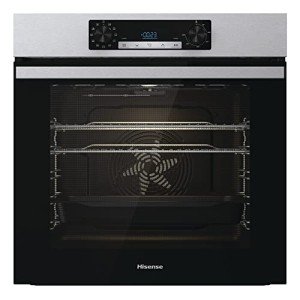 Built in ovens There are many options available for you to buy a single oven or a double built-in one. They are typically incorporated in cabinets or walls and can create a premium appearance for your kitchen. They are more energy efficient and come with advanced features like smart capabilities or self-cleaning functions. When choosing a built in oven, you must consider the dimensions of your cooking space and the way you plan to use it. Depending on white single oven of cooking you do it is possible to select an electric or a gas model. Some models also come with an hood for the range to provide better ventilation and to prevent smells and smoke. A programmable oven is another good option, as it can help you save time and effort while cooking meals. The most common type is the conventional oven. This uses traditional heating sources to generate heat. Convection ovens, on contrary, use fans to circulate the air and eliminate hot spots. This kind of oven consumes less energy since it cooks and heats food faster than traditional ovens. Wall ovens are a popular choice for built in ovens, since they offer a sleek, premium look to your kitchen. They can be incorporated into cabinets or the wall, freeing the floor space and creating a larger feel in your home. These ovens can be either gas or electric, and are available in single or double configurations. There are many different kinds of built-in ovens to choose from, and the best one will depend on your kitchen layout budget, your needs, and personal preferences. Some models feature advanced technology, like steam and pyrolytic self-cleaning which can make your kitchen more comfortable and efficient. Others are designed with ergonomics in mind, and include features like eye-level installation to avoid bending over or sliding hot dishes out of the oven. A built-in oven is a great addition to any kitchen. It can also add value to the home if you ever decide to sell it. It is advisable to choose an energy-efficient model, as this will allow you to cut down on your costs for energy and help you save money. To keep your oven in top shape, schedule regular professional maintenance. Wall ovens Wall ovens are a stylish and versatile kitchen appliance that offers more cooking options than ranges. They are available in double or single configurations, as well as microwave combination units and smart models. They are great for many kitchens. Before you purchase be sure to consider the main aspects that will help you select the best model for your home. This guide will help you make informed decisions regarding everything from energy efficiency to temperature control. Wall ovens are cheaper than ranges and can be incorporated in a variety kitchen layouts. They are also smaller in dimensions and can be placed at any height that is comfortable for the cook. Some models also include advanced features such as digital displays and self cleaning capabilities to cut down cooking time. Energy efficiency ratings are also essential when choosing an oven. Choose an Energy Star model to reduce the cost of electricity. The best built in electric single ovens are made with high-quality materials and offer a wide variety of features to fit different needs and budgets. Bosch, Fisher & Paykel Frigidaire GE and Miele are some of the most popular brands on the market. These brands are renowned for being robust and reliable, as well as advanced technology. When selecting a built-in electric single oven, make sure to look through reviews and compare prices before making a decision. Wall ovens are generally electric, however some are powered by gas. They are a bit drier heating style than range ovens and are better for baking and crisping, browning, and roasting. They also have multiple racks to accommodate large dishes and offer even heating throughout the meal. When choosing a wall oven it is crucial to ensure that the appliance is correctly installed and connected to an experienced electrician. This will help prevent damage to the appliance and ensure it's safe to use. It is also recommended to place the unit in an open area with access to a countertop as well as adequate ventilation. Contact an electrician to determine if your kitchen's electrical system can handle the oven's requirements. Energy efficiency Electric ovens are a crucial element in many UK kitchens, but with rising energy costs, it's important to think about their power consumption and the amount it will cost to run them. This guide will help you understand the way these appliances function and offer tips for reducing your energy use. Conventional single electric ovens use heating elements at the top and the bottom of the oven cavity to produce heat and distribute it. The heating elements are activated when the oven is turned on and gradually warm the interior to the desired temperature. This process requires some energy and the amount of energy used is determined by the dimensions and cooking requirements of the oven. The type of food that is being cooked can affect the amount of energy consumed. A large pie will take longer to cook and require more energy if you set the oven's temperature higher. In addition, some ovens may come with energy-saving features which reduce energy consumption, for instance fan-assisted cooking or better insulation. When choosing a single electric range consider the oven's wattage and how many hours you'll be using it every month. The total energy consumption is measured in kilowatt hours (kWh) and is calculated by multiplying the energy consumption of the oven by the number of hours used. The kWh usage is then multiplied by the electricity rate to determine the cost of using the oven. Electric ovens are easy to use and efficient, however they also use up a lot energy. To limit this use, it's a good idea to keep your oven clean and cook only the required amount of food. You can do this by removing racks and trays and then wiping them clean with a mixture of water and mild detergent or an oven-specific cleaner. Regular cleaning and maintenance can increase the efficiency of the oven. In addition, it is essential to avoid leaving the oven for prolonged durations of time as it could overheat and cause damage to the appliance. Safety Safety is an essential element to look for in ovens and single electric ovens. Single electric ovens have a range of safety features that will ensure your family's safety. These features include cool touch doors and automatic shutoff mechanisms. They also have childproof controls and are ideal for households with children or elderly people. They also reduce the risk of accidents and fires caused by malfunctioning electrical components. Certain of these features are standard on all models, while others are available as optional upgrades. An electric oven can be used to perform many cooking tasks like roasting, baking and steaming. They are easy to install and operate and their precise temperature control will ensure the same and reliable results. These ovens are available in a variety of sizes and capacities so you can pick one that suits your needs. In addition, they are energy efficient and use less gas than other types of ovens. Be sure to follow proper installation procedures as well as safety precautions when using an electric built in oven. Ovens must be installed in an area that is well ventilated, and the power should be connected by an electrician. To avoid damage and ensure safety, you should also clean your oven on a regular basis. Electric ovens are more efficient than other types of appliances, and they can save you money. They are a great option for those with limited space as they can be installed under the counter or at eye level. However, it is essential to select a model with a high energy efficiency rating to get the most savings. If your oven has a faulty door seal, it could cause the loss of heat and cause inefficient cooking. This issue can be resolved by replacing the seal, or by getting in touch with an expert. Avoid storing materials that are flammable in your oven. This could be a fire hazard and may cause melting of the items. It is also important to follow all manufacturer recommendations regarding the use of your oven.